
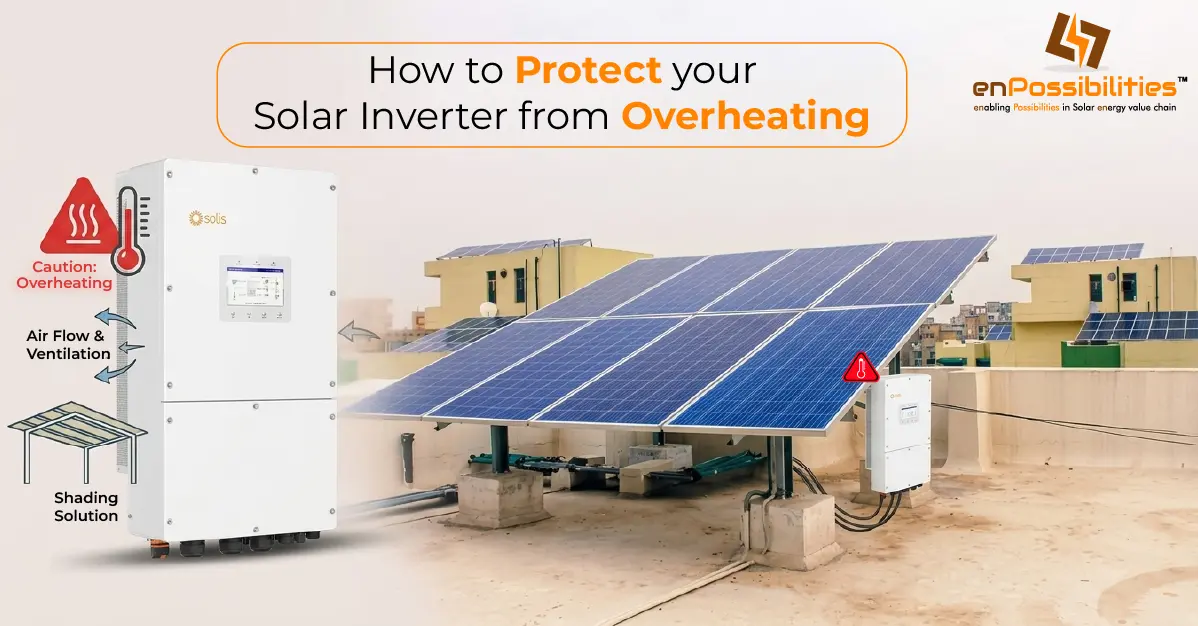
A solar inverter works quietly, turning sunlight into electricity for your home or office. It runs almost all day, so yeah, it gets warm naturally. But if it overheats, it can cause problems like low performance, sudden shutdowns, or sometimes even permanent damage. Most overheating issues are super easy to prevent. Usually it happens because of small mistakes that are easy to fix. Just a little care, and your inverter will stay safe and last longer, you know.
Why Inverters Get Hot
You gotta know why it happens.
- Direct sunlight: Sitting in the sun all day makes it really hot. Learn more about why solar setups need proper shading.
- Poor ventilation: Hot air needs space to escape. If it can’t, the inverter gets hotter.
- Dust: Dust slowly blocks vents and traps heat inside. Regular cleaning helps as explained in our AFCI solar project safety guide.
- Overloading: Too many devices make it work harder and hotter.
- Wiring problems: Loose or bad wires produce extra heat.
- Hot weather: High temperature adds stress.
Even small things like dust or poor wires can cause big issues later, so don’t ignore them.
1. Pick a Good Spot
Where you put the inverter really matters. Avoid direct sunlight. Shaded spots or indoor walls usually work best. If you have to put it outside, use some shade or a cover. Even a little shade helps a lot. Some people use wooden or metal covers—it’s fine. Also, avoid areas where temperature changes a lot, like near windows that get sunlight in the afternoon. Inverters like steady temperature, not hot-cold swings, you know. Check out lithium and lead-acid inverter tips for outdoor placements.
2. Keep Airflow Open
Airflow is super important. Don’t put the inverter in tight or closed space. Leave space around it. Don’t block sides or vents. Air needs to move or else it gets hot fast. Even a small obstruction can make a difference. Some people stack things near the inverter without thinking, then wonder why it’s overheating.
3. Clean It Often
Dust slowly builds up and blocks vents. Blocked vents trap heat and reduce efficiency. Wipe inverter with dry cloth regularly. Keep vents clear. Don’t pour water on it—it can damage electronics. Sometimes a small vacuum or compressed air works too. Just do it once in a while. For detailed cleaning methods, see panel maintenance tips.
4. Don’t Overload
Many people overload inverters by connecting too many devices. It makes it work harder, hotter, and reduces life. Always check capacity and don’t exceed it. Even temporarily running too many things can make it heat up quickly. For balancing load and efficiency, read our hybrid solar system guide.
5. Check Wires and Connections
Loose or bad wires make heat. Make sure connections are tight. Use good quality wires. Checking them every few months prevents bigger problems later. Learn proper wiring setup from AFCI safety recommendations.
6. Avoid Heat-Trapping Areas
Placement matters a lot. Don’t keep inverters in tin sheds or small closed rooms. Keep away from other heat sources. Cooler areas help it work better and last longer. Avoid putting it near geysers, ovens, or even lights that produce heat. Even a little extra heat can make inverters struggle, you know. Our Solar Panel guide can help with ideal placements.
7. Mount It Properly
Wall mounting is better than floor mounting. Air can circulate, dust exposure is less. Mount a little higher so air can pass around easily. Avoid putting it too low—dust, insects, or water can reach it. See product options like SWELECT ENERGY SYSTEMS, SAATVIK GREEN ENERGY, Vikram SOLAR, and JINKO SOLAR.
8. Watch Performance
Check the inverter sometimes. Most inverters give alerts or show data. Sudden shutdowns or low output may mean overheating. Don’t ignore signals—they help catch problems early. Even small things like dust in vents or loose wires can cause overheating. Catch it early and fix it. For inverter insights, see lithium and lead-acid inverter performance.
Final Words
Taking care of the inverter isn’t hard. Most problems happen because small things are ignored. Focus on placement, airflow, cleaning, and load. Overheating can be prevented easily. Remember: keep it cool, clean, and don’t overload. A few minutes checking now and then saves a lot of trouble later. Just a little care and your inverter will work smoothly for years, honestly.